
A simple, step-by-step bedtime story routine for kids ages 3 to 8: when to start, how many books, how to wind down, and what to do when bedtime turns into a battle.
For many families, the bedtime story is the best part of the day. It can also be the part where everyone is tired, someone wants one more book, and the evening drags on. A simple, predictable routine helps children settle down and helps grown-ups end the day feeling close instead of frazzled. Here is how to build one.
Why routines help children sleep
Young children feel safer when they know what comes next. A bedtime routine that happens in the same order every night acts like a signal to the body and brain that sleep is coming. Pediatric sleep experts, including the American Academy of Pediatrics, recommend a consistent, calm bedtime routine for young children. Reading is one of the most popular parts of that routine because it is quiet, cozy and screen-free.
A simple bedtime routine, step by step
Every family is different, but many find a routine like this works well.
- Wind-down time. About 30 to 60 minutes before lights out, switch to quiet play. Dim the lights and turn off screens.
- Bath or wash-up. A warm bath or simply washing hands and face helps children relax.
- Pajamas and teeth. Same order every night.
- Choose the books. Let your child pick from a small basket of books.
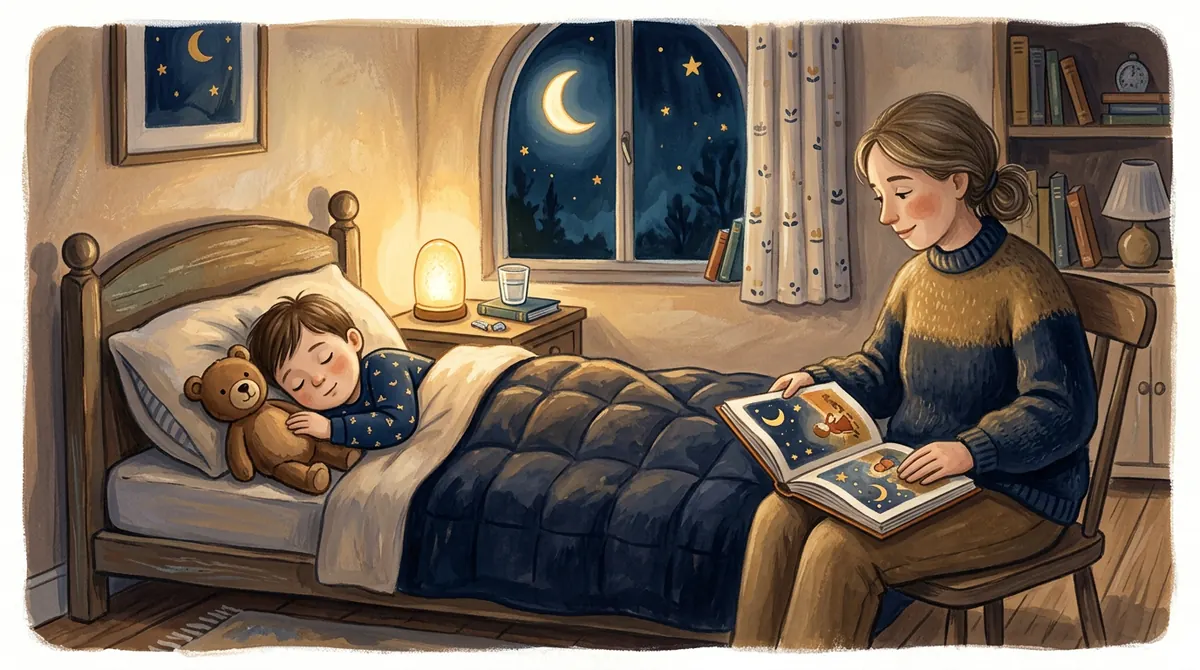
- Story time. Read in bed or in a cozy chair, with the room lights low.
- A short chat. Talk about the best part of the day, or something you are looking forward to.
- Lights out. A hug, a goodnight phrase you always use, and the night-light on.
Write the steps as little pictures on a card for younger children. Many children enjoy checking off each step.
How many books?
Decide ahead of time and stick to it. Many families choose two short picture books or one longer one. Some use a timer instead, such as 15 minutes of reading. Agree on the number before story time starts, not when your child is already begging for more.
A helpful trick is to offer choices inside the limit: "You can pick two books. Which two will it be tonight?" Children feel in control, and you avoid a battle.
Choosing good bedtime books
Not every book suits bedtime. The best bedtime stories are:
- Calm in tone. Gentle stories with soft endings help children settle. Save the exciting adventures for the afternoon.
- Not too scary. Even mild monsters can feel bigger in the dark. If your child is sensitive, choose cozy stories.
- The right length. Short picture books are perfect for ages 3 to 6. Older children may enjoy a chapter a night.
- Familiar favorites. Old favorites are soothing because children know how they end.
Keep the lights and voice low
As you read, gradually lower your voice and slow down. A soft lamp or reading light is better than bright overhead lights. By the last page, you want your child relaxed, not wound up.
What to do when bedtime turns into a battle
"Just one more book!"
Remind your child of the rule kindly, and offer a reward for tomorrow: "That was the last one tonight. Tomorrow you can pick first." Then follow through.
Stalling and wiggling
If your child keeps getting up for water or the bathroom, build those into the routine before story time. Once you start reading, they stay in bed.
Bedtime fears
Some children worry about the dark. A night-light, a favorite stuffed animal and a gentle story about being brave can help. Talk about worries earlier in the evening so they do not grow at lights out.
Overtired children
A child who is too tired often acts more wired, not less. If bedtime battles happen every night, try starting the routine 15 to 30 minutes earlier.
Make it special
Small rituals make the routine feel special. Some families use a special reading blanket, a goodnight song or a "story jar" of favorite books. You might keep a little list of every book you finish together.
When you cannot be there
If a babysitter, grandparent or relative is putting your child to bed, share the routine with them. Write down the steps, the goodnight phrase and the two-book rule. Keeping the routine the same helps children settle even when you are away.
Looking for more ideas? Read our tips on how to read aloud to young children, or enjoy a story together at Story Hour.
Questions parents ask
What time should a bedtime story start?
Start the routine 30 to 60 minutes before you want your child asleep, with story time near the end. The exact time depends on your child’s age and how much sleep they need.
How many bedtime stories should I read?
Choose a number that fits your evening, often two short picture books or one longer one, and agree on it before story time begins.
Are scary books okay at bedtime?
For most young children it is best to save scary or very exciting stories for daytime. Calm, cozy stories help children settle down to sleep.
Can screens replace a bedtime story?
Pediatric experts recommend turning off screens before bed. A printed book read together is calmer and helps children wind down.