
Why stories are such a good way to teach kindness, sharing and empathy to young children, plus simple questions to ask and activities to try after the story ends.
Every parent wants to raise a kind child. Telling children to "be nice" only goes so far, though. Stories are one of the best tools we have, because they let children step into someone else's shoes for a few minutes. Here is why picture books are so good at teaching kindness, and how to talk about them in a way that sticks.
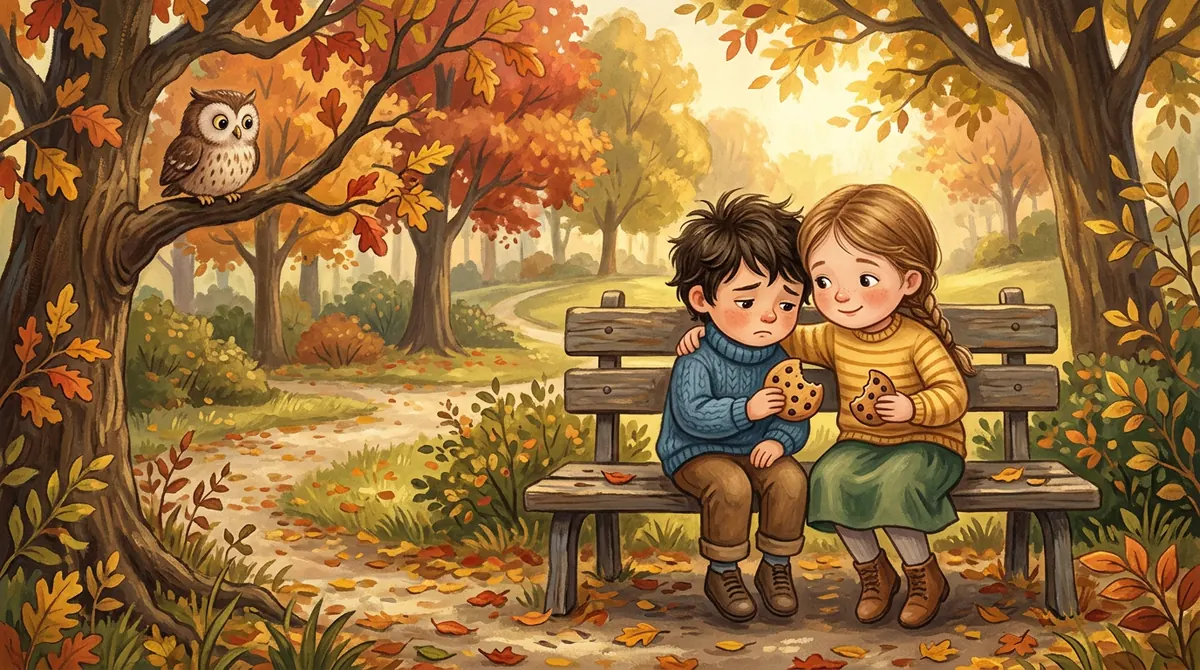
Why stories work better than lectures
When a child hears "share your toys", it is a rule. When a child hears a story about a little squirrel who shares her acorns with a hungry friend, it is an experience. Children feel the characters' worries, cheer when things go well and remember what happened.
Researchers who study reading have found that stories help children understand other people's thoughts and feelings. When children follow a character's journey, they practice imagining how someone else feels. This skill, called empathy, is the root of kindness.
Stories also give children words for feelings. A child who has heard about a character feeling "left out" or "nervous" can name those feelings in themselves and in others.
What makes a good kindness story
The best stories for teaching kindness usually have:
- A character children care about. It might be an animal, a child or even a talking object.
- A real problem. Someone is lonely, hungry, scared or left out.
- A choice. The character can help or not help.
- A feeling at the end. Children see how kindness changes things for everyone.
- No preaching. The best stories show kindness rather than lecturing about it.
At Story Hour, we choose stories around themes children can learn from: kindness, manners, courage and gratitude. They should feel meaningful without feeling like a lesson.
Questions to ask after the story
You do not need to turn story time into a classroom. A few gentle questions help children think about what they heard.
For ages 3 to 5
- How did the character feel when that happened?
- What did they do to help?
- How do you think their friend felt after that?
- Have you ever helped someone like that?
For ages 6 to 8
- Why do you think the character decided to help?
- Was it hard for them? Why?
- What would you have done?
- Can you think of someone who might need kindness this week?
Ask one or two questions, then let the conversation go wherever your child takes it. Sometimes the best talks happen the next morning.
Bring the story into real life
Kindness grows when children practice it. After a story, try a small activity that connects to it.
- Kindness jar. Write simple ideas on slips of paper, like "make a card for a neighbor" or "help set the table". Pick one each day.
- Act it out. Use stuffed animals to replay the story, then make up a new ending where someone else needs help.
- Draw a thank-you. Ask your child to draw a picture for someone who helped them.
- Notice kindness. At dinner, share one kind thing you saw someone do that day.
- Share something. Choose a toy or book together to give to a friend or donate.
Model it yourself
Children learn kindness most from watching the grown-ups around them. When they see you thank a bus driver, help a neighbor or speak gently when you are frustrated, they learn what kindness looks like. When you read a kindness story and then talk about your own kind choices, the lesson becomes real.
Be patient
Young children are still learning. A three-year-old who grabs a toy is not unkind; they are learning about sharing. Stories plant seeds. Over many readings, many conversations and many small moments, those seeds grow.
For more ways to make story time meaningful, see our read-aloud tips, browse our books, or watch this week's story at Story Hour.
Questions parents ask
At what age can children learn kindness from stories?
Children as young as two or three can start to notice how characters feel. Between ages 3 and 8, stories are especially good for building empathy and kindness.
How do I talk about a story without lecturing?
Ask one or two open questions, like how a character felt or what your child would do, and let your child lead the conversation.
What if my child does not want to talk after a story?
That is fine. Children often think about stories quietly and bring them up later. Simply enjoying the story together still helps.
Can stories really change behavior?
Stories alone will not change behavior overnight, but together with real-life practice and grown-ups who model kindness, they help children understand and care about other people.